

CM: When did you complete the Transformative Coaching Essentials program and what
are some of the most valuable things you got out of it?JG: I was of the 24’/25’ TCE class. The most valuable takeaway for me has to do with a
transformation in my ‘Way Of Being’. The way in listen and speak with people has
shifted, I have learned how to hear underneath what people say, into what is important
for them. In turn, I have learned how to speak with laser focus by knowing what is
important for me. In other words, being effective in conversation has been such a game
/ life changer. Also, learning how to effectively challenge or support in a conversation
where it is needed has been amazing, a massive level up for me.CM: Do you consider yourself a life coach? If no, how would you describe who you are
professionally?JG: No, I do not. The term ‘Life Coach’, seems to me to be a more personal or intimate
way of being coach with someone. My coaching is very goal / outcome oriented.
Creating specific results from specific and clear outcomes is very structured. Being
effective and changing things to be more measurably effective has always shown up in
the way I approach life and business.CM: What would you say to somebody who told you they were thinking about becoming
a life coach?JG: I would encourage anyone looking into any form of coaching. I’m honestly not very
familiar with the specifics of ‘life coaching,’ so I may be a bit biased toward professional
coaching. It seems to offer a greater opportunity for laser focus, effectiveness, and
intentional progress toward goals and outcomes. My understanding is that the
framework of professional coaching places greater emphasis on practical
implementation and, because of that, can create a better use of one’s time.CM: What is one misperception you believe people have about coaches (whether
designated “life coach” or something else)?JG: I think there may be a belief out there that people who seek coaching need
someone to fix them or help solve their problems. From my understanding, coaching
has actually found much of its demand or niche among people who are already
motivated toward success, effectiveness, self-development, and business development.
Many people pursue coaching not because they are broken, but because they want to
continue growing, move past what may be slowing them down or getting in the way.CM: What is your coaching specialty?
JG: Based on the direction I’ve been developing, I seem to naturally lean toward
helping people reconnect with clarity and confidence. Clarity often gets lost in
overwhelm, conflict, or the feeling of being stuck. Much of my coaching centers around
helping people recognize and shift their internal responses to those situations and
mindsets.CM: Are you a full-time coach?
JG: No, I do one on one coaching, but the mindset and skillset of coaching have
become part of how I operate every day, especially in my role as an Assistant Manager.
Whether it’s problem solving, navigating customer or employee conflicts, or helping
people communicate more effectively, coaching has given me a much more effective
approach. It’s felt like finally having the right tool for the job.CM: What do you do other than coaching?
JG: I currently fill the position as an Assistant Manager of an electrical supply
warehouse. I do a variety of trades work, handyman work, and coaching on the side.CM: Do you have a website dedicated to your coaching business?
JG: No, creating a new profile is something that I will be developing this year.
CM: Do you have social media accounts that you use primarily for your coaching
business?JG: Not yet. This is part of what I will be developing as I learn how to create something
new here for myself.
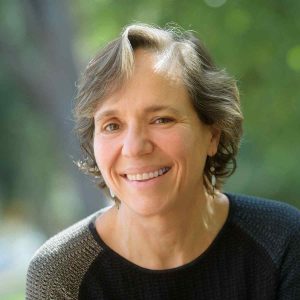

Coach Highlight – Bodhi Young
Bodhi Young shares how becoming a coach transformed their life, teaching them that authentic presence is the foundation for helping others create meaningful results.
Read More