
Ordinary Hope vs Mature Hope
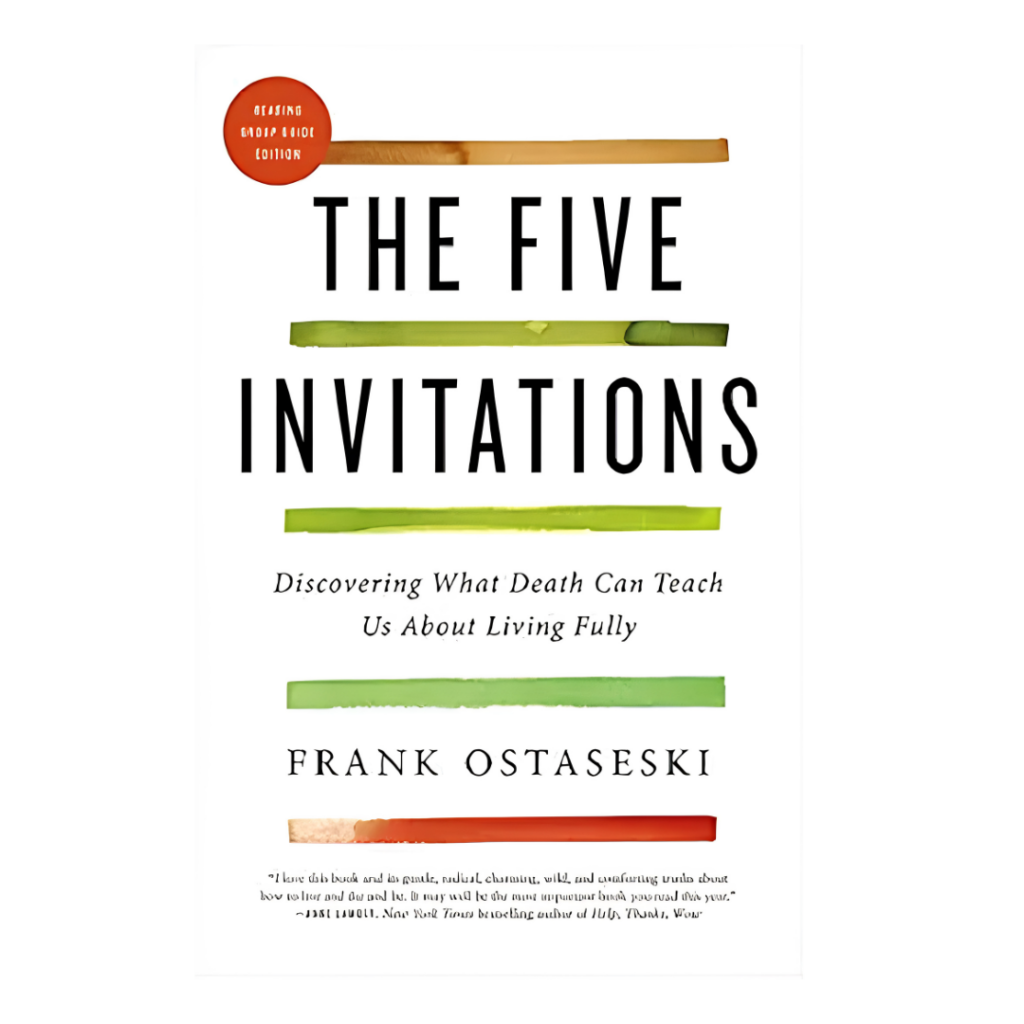
Coaches often say hope is not a strategy, and about one kind of hope, they’re right. Reading Frank Ostaseski’s The Five Invitations, I found a distinction that has stayed with me. Ordinary hope waits for something outside us to deliver. Mature hope asks something very different of us.
What is Parts Work?

We already talk this way: part of me wants one thing, part of me wants another. Parts work takes that seriously. Through a client who yells when she’s angry, I walk through naming a part, getting curious about it, and finding what it’s trying to protect. It may surprise you.
Excuses, Excuses – Learning About Accountability

Accountability is the foundation of everything I teach. But a question came up recently that deserves a real answer: if you miss a deadline and tell your boss why, are you making an excuse? The circumstances were real. You didn’t make them up. So where is the line between an excuse and ownership?
Coach-Style Leadership: Moving from a Traditional Management Style Toward Empowerment and Collaboration

Most managers were never trained to lead. They default to what they’ve seen: telling, supervising, disciplining. There’s another option. Coach-style leadership asks instead of tells, and empowers instead of directs. Starting with letting go of judgment and assuming people are doing their best. Here’s the model, step by step.
Coach Highlight – Nicole Radoumis

Nicole Radoumis completed Transformative Coaching Essentials in 2020 and came away with one thing: curiosity. It shifts communication from trying to figure people out to meeting them where they are — with grandkids and business associates alike. Coaching sits alongside IT consulting and building houses. On what people get wrong about coaches:
The Window and The Mirror

The question that comes up in nearly every organization is how to make other people more accountable. The honest answer frustrates people: you can’t. You can only make yourself accountable, and trust that others model what they see. Jim Collins called it the window and the mirror — and it starts with you.
Reflective Listening – Dealing with Anger
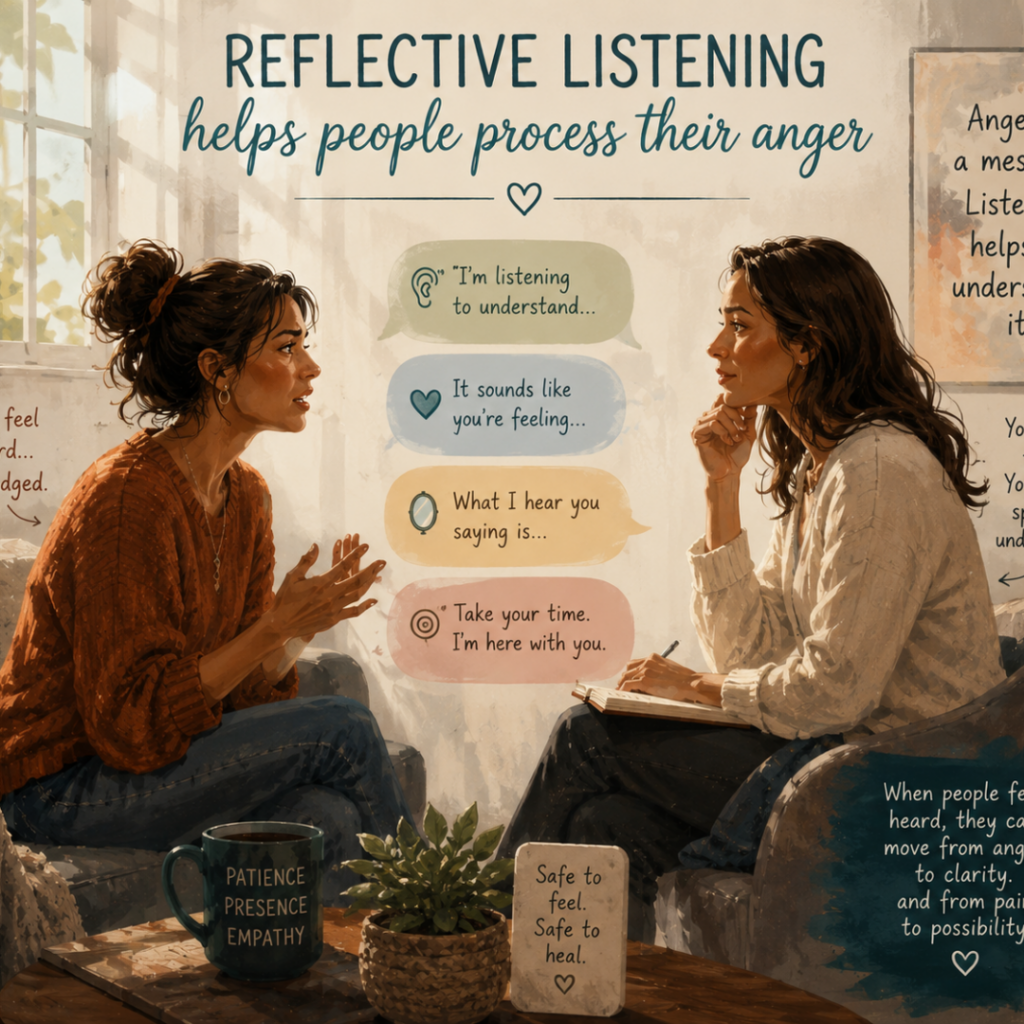
Anger shows up — at work, at home, in the middle of a coaching call. The instinct is to smooth it over and move on. But people who don’t feel heard don’t move forward. Here’s how reflective listening acknowledges both content and emotion, plus the well-meaning responses that shut people down.
Coach Highlight – Bodhi Young

Bodhi Young shares how becoming a coach transformed their life, teaching them that authentic presence is the foundation for helping others create meaningful results.
How we Remember is How we Create

Our memories feel like truth, but they are often shaped by interpretation rather than objective reality. Drawing on insights from The Five Invitations, this post explores how coaching helps us examine the meaning we attach to our memories, opening the door to new perspectives, greater freedom, and lasting change.
Grace & Accountability

After a costly lesson involving a cat, a cup of water, and a computer, Cami reflects on the relationship between grace and accountability. This post explores why true accountability isn’t about self-criticism, but about curiosity, learning, and making new choices—all while treating ourselves with kindness.