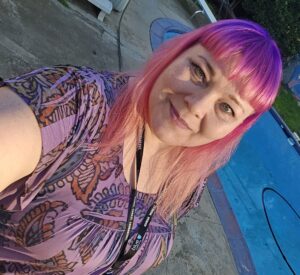
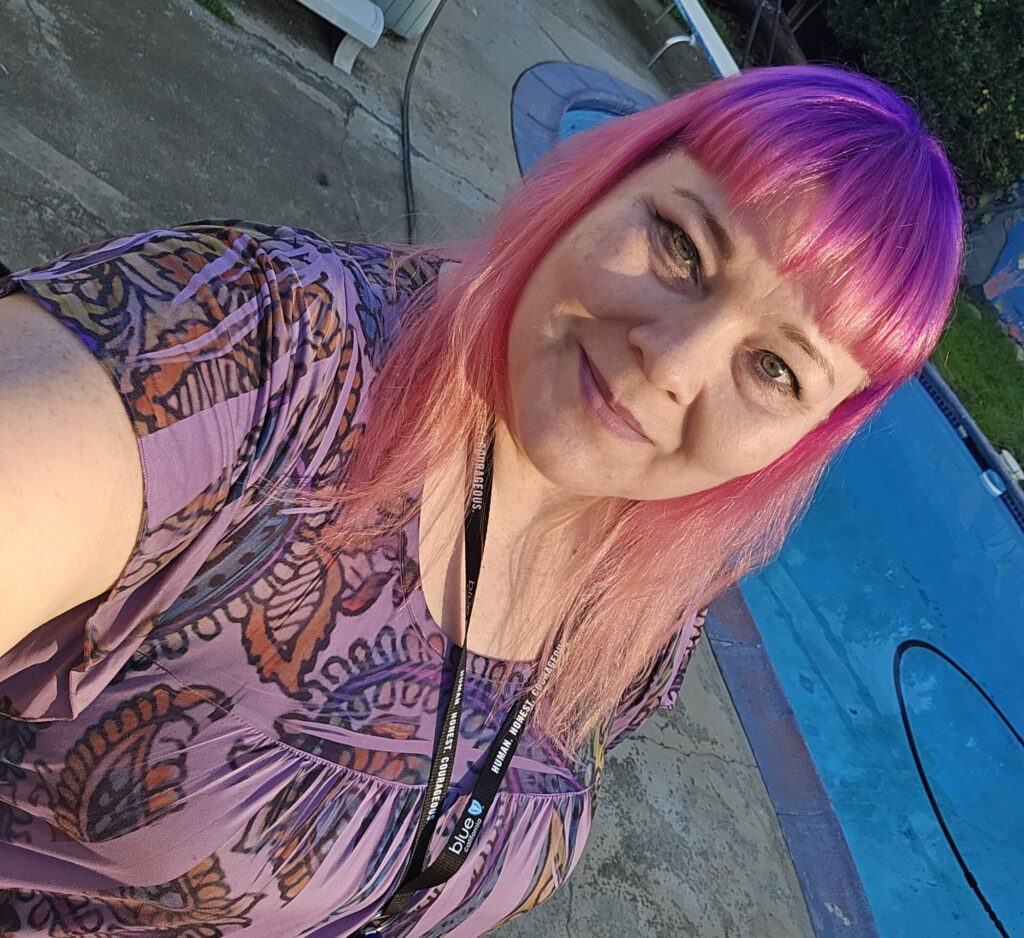
CM: When did you complete the Transformative Coaching
Essentials program and what are some of the most valuable things you got out of it? KB: Graduated August 2025, Certified November 2025. I learned (or unlearned, lol) communication and conversation styles that encourage listening, reflecting, and clarifying the intentions/goals of all parties with an emphasis on consent and agreement (are we venting, fixing, collaborating, brainstorming, etc)
CM: Do you consider yourself a life coach? If no, how would you describe who you are professionally?
KB: Yes and no? lol. That term is widely used but very loosely defined/regulated, leading to confusion and dismissal by many. My business cards say “Transformative Coach,” but I really consider myself a partner during life’s major pivot points.
CM: What would you say to somebody who told you they were thinking about becoming a life coach?
KB: Do it. Even if it’s only to better understand how to be your own coach. Learning these skills changes the way you see, hear, and interact with yourself, your loved ones/coworkers/acquaintances, and your clients, should you choose to pursue monetizing the skillset.
CM: What is one misperception you believe people have about coaches (whether designated “life coach” or something else)?
KB: That we are experts and advice-givers. Who must, therefore, have our “lives” together (practically perfect, in every way) to be a valuable instigator for our clients’ and to ensure they gain success/advancement.
CM: What is your coaching specialty?
KB: As a late-diagnosed member of the neuro-sparkly community, unknowingly embedded in family and friend circles with a wide variety of AuDHD presentations, I’ve developed an affirming and encouraging curiosity, which I bring to each coaching session. Focused on progress over perfection, I help clients identify their core values, quiet their inner critic(s), and dissolve limiting beliefs. With exposure and respect for many ways of life oft considered “alternative” (such as poly/ENM, pagan, naturalist, LGBTQIA+, etc), I welcome clients who have previously met judgement rather than acceptance. I am trauma-informed, a survivor, and a fierce mental health support advocate.
CM: Are you a full-time coach?
KB: Not at all. But I’m trying to make it a lucrative side-hustle in the evenings. By day, I work from home as a Sr. Business Analyst for a large corporation in the medical insurance industry, specializing in Specialty Benefits (Life Insurance) with an emphasis on data analysis/reporting, trend-tracking, root-cause analysis, process improvement, etc.
CM: What do you do other than coaching?
KB: I am an empty-nester (with many pets) and a social butterfly, active in several groups/clubs/communities. I founded a singles activity/event group in the Folsom area on Facebook. In the summers I enjoy tent-glamping, SUP (while sitting), and random road trips. I’m a DIY’er with power tools, big dreams, and an endless to-do list, currently overseeing a major remodel project, creating an independent short-term rental unit in part of my home. I can’t wait until all construction is completed and I can get back to hosting parties and events at my house again!
CM: Do you have a website dedicated to your coaching business?
KB: Currently under development. But anyone interested in connecting with me can reach me at KittyBeeCoaching@gmail.com.
CM: Do you have social media accounts that you use primarily for your coaching business?
KB: My Facebook and Insta pages @KittyBeeCoaching are launched but currently under development.

Coach Highlight – Brenda Forman
Brenda Forman (TCE ’24–’25) shares how Transformative Coaching Essentials reshaped the way she leads, coaches, and relates. Moving from “doing it right” to being fully present, she describes coaching as a collaborative space for clarity, choice, and sustainable change, especially for leaders navigating high-responsibility roles.
Read More