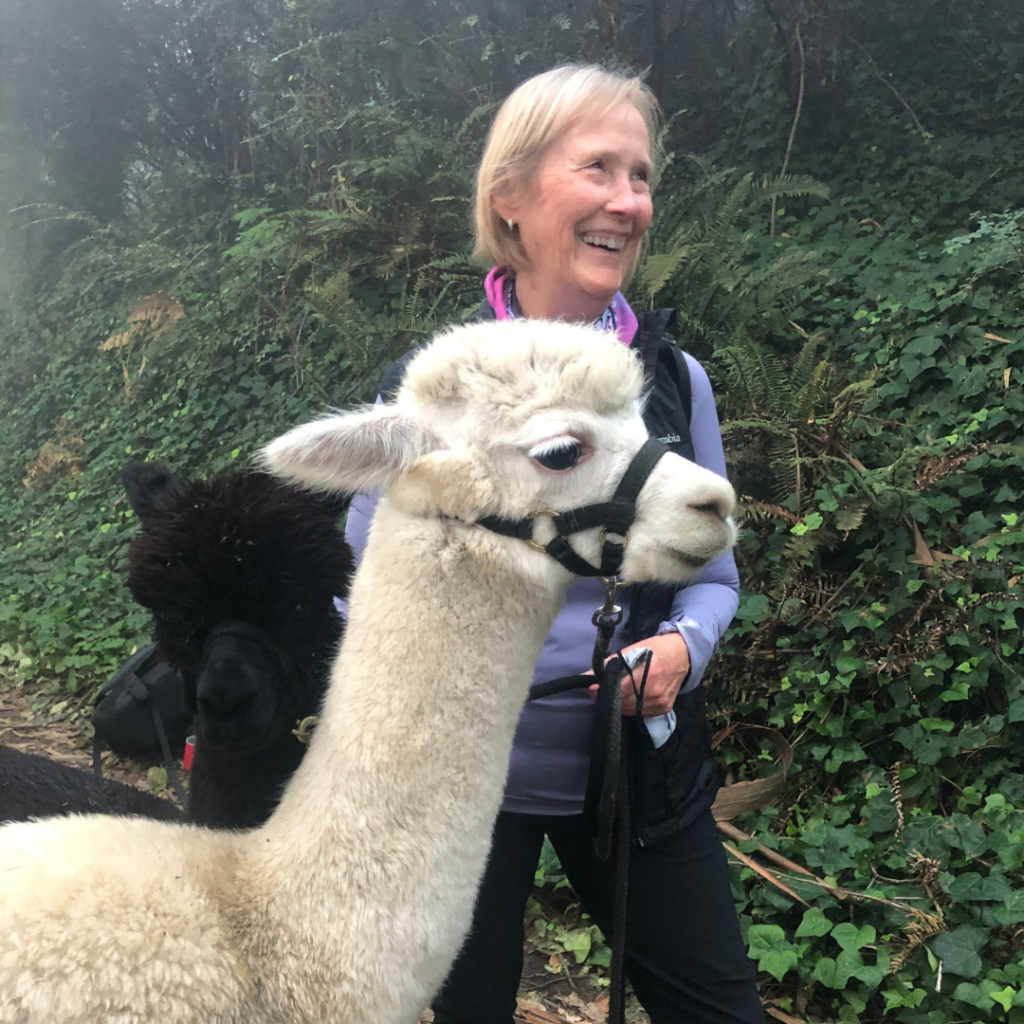
I took the professional training to become a certified life coach in my early 70s before I even understood what coaching was. A friend went through the training and it changed our interactions so dramatically for the good that I decided I wanted a piece of whatever she was having.
It was that simple.
I never decided to ‘become a coach’. But I became one. I thought I would take the training, improve my relationships with my extended family, my colleagues, my neighbors, my friends. Enhance my world a bit, get a tad more clarity. And it did. And I still do.
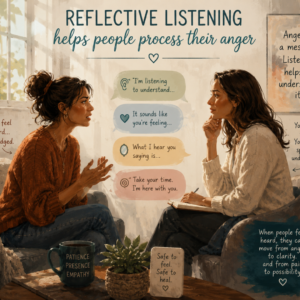
Despite my passion for it, I find I have a difficult time selling the idea of coaching to people while simultaneously wondering why everyone doesn’t just try it. It’s not therapy, it’s not rocket science. It’s a simple process of having a trained coach ask you pertinent questions to reveal your own thinking —- thoughts that keep you stuck, unable to make a decision, or speak your truth, change a habit, take a chance. Maybe asking for a promotion or a reduced schedule, or wanting family to help more around the house. Making a difficult health decision, or finding a way to step around a big or little fear.
The process works for almost everything. Identify what’s on your mind. Show up. Be ready to be honest with yourself. And experience the relief, the breakthrough, the deeper breath.
I’ve had so many of my breakthroughs in stuck thinking over the past few years — frustration over a never-ending remodeling project, dissipating some fear around a health issue, even the simple yet complicated issues around family vacations.
But I had a breakthrough last week that still makes me laugh.
I have osteoporosis and I do a lot to be stronger and healthier and as fit as I can as I age. But I just couldn’t seem to make myself do some specific strength exercises at home on a daily basis, including resistance bands and some floor work that would complement the rest of how I move.
I was stumped. Why would I exercise in a fitness studio and not at home in my own studio that has mirrors, eye bolts for bands and TRX? Why didn’t I have the self–discipline to do what I truly believe is such an important component to my health? Was it procrastination? Laziness? Skepticism? Lack of commitment?
I compared myself to friends who seemed to do it all, daily, easily. I was embarrassed about my failure. It’s not like I didn’t know what to do. I’m a fitness instructor. I’ve worked out most of my life. But I was stuck.
After some very simple and effective coaching —- questions —- that walked me through the process of what I wanted, what was stopping me, I discovered the answer. I mean, so simple it made me laugh out loud.
I discovered I didn’t want to be down on my yoga mat and see the dust bunnies underneath the TV stand or the debris under the couch.
Seriously? THAT was keeping me from something so important? A dirty floor? Damn. Yes, that’s what it was.
I made a declaration to my coach —- a commitment with a time element and a promise to report back —- that I would clean my office floor and workout three times a week. And I did. Easy peasy. Finally.
I’ve had many other breakthroughs aided by coaching, including one very important one.
I was mad at my husband, my dog, my kids, and had a ton of resentment because I wasn’t getting time to do the things that I wanted to do — time for a walk, or to write, hike, meet a friend, read a book. Or do nothing.
My breakthrough was discovering how uncomfortable I am putting my needs equal or more important to almost anyone else’s –– but especially my family. Even my dog’s needs! I would be trying to get something done in the kitchen and my little 10-pound Yorkie would start scratching on the cabinet and the refrigerator and demand his dinner RIGHT THEN. I would get angry and stop what I was doing and feed him.
I know. Pretty dysfunctional parenting/pup skills. But there it is.
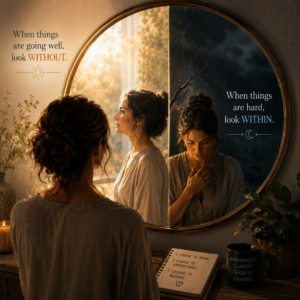
In therapy, I could have discovered that I can’t say no because of dysfunction in my early childhood family, or my mother was a narcissist. In coaching, we can acknowledge our history, then we move on to the present. The now. What choices do I want to make, who do I want to BE, what action do I want to take?
My declaration was a simple daily practice to honestly identify what is important to me, moment to moment, one day at a time. I can still make a decision to show up for someone in my family —- or my dog —- with intention. But not default. The outcome is that I’m more pleasant to live with —- and even more pleasant for me to be with me.
The courage to get coaching only requires the openness of having a professional ask curious questions as we have our own truths revealed to ourselves. Not rocket science. And often amazingly simple solutions.
The hardest part about being a coach is not to be evangelical about the process, giving people the space to decide if they want to try it. In the meantime, my brain is so perplexed. ‘Why wouldn’t you try it?’ – Sylvia Fox